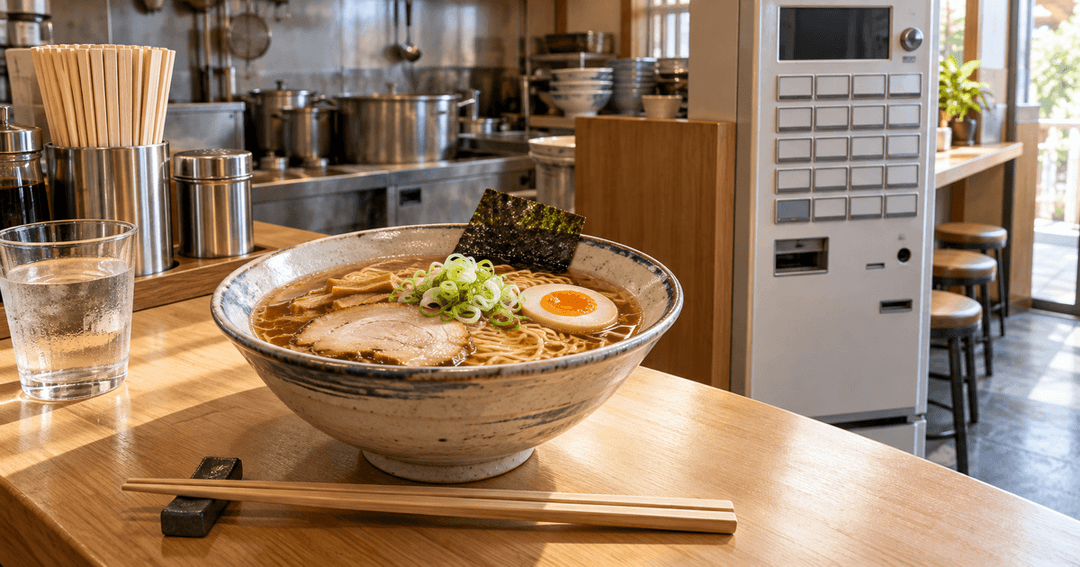
How to Order Food in China Without Speaking Chinese: Menus, QR Codes, and Mandarin Phrases

Yes, you can eat very well in China without speaking Chinese. The most reliable approach is to prepare mobile payment before your trip, use images or camera translation to understand the menu, point to the exact dish, and keep a small set of Mandarin questions ready for whatever the server asks next.
You do not need to perform a perfect restaurant dialogue. You need to recognize how the ordering process works, communicate a few decisions clearly, and have written Chinese ready for anything that must be exact.
This guide covers physical menus, QR-code ordering, useful Mandarin with pinyin, dietary restrictions, food allergies, street stalls, hot pot, payment, and what to do when your phone does not cooperate.
Can you order food in China without speaking Chinese?
Yes. In many restaurants, you can complete most of the order by scanning a QR code or pointing to dishes on a menu. When staff need more information, the questions usually concern table size, quantity, spice level, temperature, side dishes, or whether you are eating in or taking the food away.
Your practical toolkit is:
- A phone with working data
- Alipay and/or Weixin Pay, commonly called WeChat Pay in English
- A translation tool that can handle Simplified Chinese and menu photos
- Screenshots of a few essential Mandarin phrases
- A professionally translated card for any serious food allergy
| Restaurant moment | Best first method | Backup |
|---|---|---|
| Reading a physical menu | Photograph one section and translate it | Point to photos or dishes nearby |
| Opening a QR menu | Scan through Alipay, WeChat, or your camera | Ask for a physical menu or staff help |
| Ordering a dish | Point and say 我要这个 |
Show a translated sentence |
| Choosing spice or size | Ask staff to point to the options | Use a typed A-or-B question |
| Explaining an allergy | Verified Simplified Chinese chef card | Ask for the manager or kitchen staff |
| Paying | Alipay or Weixin Pay | Cash or another payment method |
The phone does a lot of the work, but pointing, numbers, photos, and written Chinese are what make the process dependable.
What should you set up before your first restaurant meal?
Set up payment before you are hungry. Mobile payments are widely used in mainland China, including at restaurants. China's official payment guidance says overseas visitors can use Alipay, Weixin Pay, and UnionPay and can link eligible international cards to Alipay or Weixin Pay. The same guidance also lists bank cards and renminbi cash as payment options. Review the Chinese government's payment guide for overseas visitors before departure because supported cards, identity checks, fees, and app flows can change.
Then prepare the language layer:
- Download any available Simplified Chinese language data for offline use.
- Save screenshots of the phrases in this guide.
- Practice saying
这个(zhège, "this one") while pointing. - Save your food restrictions in English and Simplified Chinese.
- Look up the restaurant and menu before you arrive when possible.
- Keep your hotel name and address in Chinese in case you need help getting back.
If you have a serious allergy, do not make an AI-generated card at the last minute. Use a professionally translated resource and review your travel plan with your clinician.
What does ordering at a restaurant in China usually look like?
The exact process varies, but a typical meal follows this pattern:
- Staff ask how many people are in your group:
几位?(jǐ wèi?). - You are shown to a table and receive a physical menu or scan a QR code.
- You choose dishes, often for the table to share in a sit-down restaurant.
- Staff may ask about quantity, spice, a choice of preparation, or drinks.
- The order is submitted through the phone or confirmed by staff.
- You pay through a QR flow, at the table, or at a counter.
Do not assume every restaurant uses the same system. A family-run noodle shop, a mall restaurant, a hot-pot chain, and a street stall may each handle ordering differently. Watch what the people ahead of you do, then ask staff to point when the next step is unclear.
How do you use a Chinese QR-code menu?
Look for a QR code on the table, table tent, wall, or receipt. It may open a menu directly or launch a mini-program inside Alipay or WeChat.
The page may ask you to:
- Confirm the table number
- Join a queue
- Choose dine-in or takeaway
- Select a dish size or variation
- Add the order to a shared table cart
- Submit the order
- Pay immediately or after the meal
If the menu is only in Chinese, take screenshots one section at a time and translate the images. Match each translation to the original dish photo, price, and quantity. Do not translate a long scrolling page and then guess which English description belongs to which button.
Before submitting, check:
- Number of items
- Quantity of each item
- Size or serving option
- Spice level
- Optional add-ons
- Table number
- Total price
If the QR flow requires a login, local verification, or an app feature you cannot complete, show staff this sentence:
我打不开这个菜单,可以直接点菜吗?
Wǒ dǎ bù kāi zhège càidān, kěyǐ zhíjiē diǎn cài ma?
"I cannot open this menu. Can I order directly?"
You can also ask:
有纸质菜单吗? (Yǒu zhǐzhì càidān ma?) — "Do you have a paper menu?"
Which Mandarin phrases are most useful in a Chinese restaurant?
You can handle most ordinary meals with the phrases below. The pinyin shows pronunciation, but listening to the phrase before your trip is better than relying on English-looking syllables alone.
| English | Simplified Chinese | Pinyin |
|---|---|---|
| Two people. | 两位。 | Liǎng wèi. |
| I don't speak Chinese. | 我不会说中文。 | Wǒ bù huì shuō Zhōngwén. |
| Please give me a menu. | 请给我一份菜单。 | Qǐng gěi wǒ yí fèn càidān. |
| I would like this one. | 我要这个。 | Wǒ yào zhège. |
| One order of this, please. | 这个来一份,谢谢。 | Zhège lái yí fèn, xièxie. |
| What do you recommend? | 你们有什么推荐? | Nǐmen yǒu shénme tuījiàn? |
| What is in this? | 这个里面有什么? | Zhège lǐmiàn yǒu shénme? |
| Is this spicy? | 这个辣吗? | Zhège là ma? |
| Not spicy, please. | 不要辣,谢谢。 | Bù yào là, xièxie. |
| A little spicy is okay. | 微辣可以。 | Wēilà kěyǐ. |
| Please give me a glass of water. | 请给我一杯水。 | Qǐng gěi wǒ yì bēi shuǐ. |
| Can I get this to go? | 这个可以打包吗? | Zhège kěyǐ dǎbāo ma? |
| The bill, please. | 买单,谢谢。 | Mǎidān, xièxie. |
| Can I pay with Alipay? | 可以用支付宝吗? | Kěyǐ yòng Zhīfùbǎo ma? |
If you remember only three, use:
我要这个。— I want this one.不要辣。— Not spicy.买单,谢谢。— The bill, thank you.
Say the phrase, point to the relevant item, and pause. A short sentence with a clear visual reference is more useful than a memorized speech.
How do you read the most important words on a Chinese menu?
You do not need to read the whole menu. Recognizing ingredients and cooking methods lets you narrow it down quickly.
Common ingredients
| Character | Pinyin | Meaning |
|---|---|---|
| 猪肉 | zhūròu | Pork |
| 牛肉 | niúròu | Beef |
| 羊肉 | yángròu | Lamb or mutton |
| 鸡肉 | jīròu | Chicken |
| 鱼 | yú | Fish |
| 虾 | xiā | Shrimp or prawn |
| 鸡蛋 | jīdàn | Egg |
| 豆腐 | dòufu | Tofu |
| 蔬菜 | shūcài | Vegetables |
| 花生 | huāshēng | Peanut |
Common cooking and menu words
| Character | Pinyin | Meaning |
|---|---|---|
| 炒 | chǎo | Stir-fried |
| 烤 | kǎo | Roasted or grilled |
| 炸 | zhá | Fried |
| 蒸 | zhēng | Steamed |
| 汤 | tāng | Soup |
| 面 | miàn | Noodles |
| 饭 | fàn | Cooked rice or meal |
| 辣 | là | Spicy |
| 素 | sù | Vegetarian or vegetable-based |
| 招牌 | zhāopái | House specialty or signature |
These words are clues, not a complete ingredient list. 素 can help you find vegetarian dishes, but it does not replace a detailed conversation if you avoid all animal products or animal-based broth.
What might the server ask you?
The reply is often harder than the phrase you prepared. Listen for these common questions and ask staff to point to the choices if you are unsure.
| What you may hear | Pinyin | Meaning |
|---|---|---|
| 几位? | Jǐ wèi? | How many people? |
| 辣不辣? | Là bu là? | Spicy or not? |
| 要什么口味? | Yào shénme kǒuwèi? | Which flavor would you like? |
| 大份还是小份? | Dà fèn háishi xiǎo fèn? | Large or small portion? |
| 冰的还是热的? | Bīng de háishi rè de? | Cold or hot? |
| 堂食还是打包? | Tángshí háishi dǎbāo? | Eat here or takeaway? |
| 还要别的吗? | Hái yào bié de ma? | Anything else? |
Useful answers include:
这个。(Zhège.) — This one.小份。(Xiǎo fèn.) — Small portion.热的。(Rè de.) — Hot.堂食。(Tángshí.) — Eat here.打包。(Dǎbāo.) — Takeaway.不要了,谢谢。(Bù yào le, xièxie.) — Nothing else, thank you.
If you still do not understand, say:
请打字给我看。 (Qǐng dǎzì gěi wǒ kàn.) — "Please type it for me."
Written Chinese gives your translation tool a cleaner input than restaurant audio.
How do you choose dishes when Chinese meals are shared?
In many mainland Chinese sit-down restaurants, the group orders several dishes for the table rather than one separate main dish per person. Portions and local habits vary, so ask staff whether you have ordered an appropriate amount.
Show them:
这些菜够我们吃吗?
Zhèxiē cài gòu wǒmen chī ma?
"Are these dishes enough for us?"
A simple balanced order might include:
- One meat, fish, or tofu dish
- One vegetable dish
- Rice, noodles, or another staple
- A soup or cold dish if the group wants one
This is not a rule. It is simply an easier way to read a long menu. If the restaurant is known for one regional specialty, start there and ask what pairs well with it.
How do you ask for less spice?
Do not assume "not spicy" means the same thing everywhere. Some regional cuisines use chili as a core ingredient, and a dish may not work without it.
Use:
不要辣。(Bù yào là.) — Not spicy.少辣。(Shǎo là.) — Less spicy.微辣。(Wēilà.) — Mildly spicy.请把辣椒放在旁边。(Qǐng bǎ làjiāo fàng zài pángbiān.) — Put the chili on the side.
Then point to the dish and ask:
这个可以做不辣的吗?
Zhège kěyǐ zuò bù là de ma?
"Can this be made not spicy?"
If staff say no, choose another dish instead of repeating the same request more loudly.
How do you communicate vegetarian, halal, or no-pork requirements?
Translate the exact ingredients you avoid. Labels such as "vegetarian" or "halal" can hide different assumptions about broth, cooking oil, sauces, or preparation.
Useful starting points are:
我吃素。(Wǒ chī sù.) — I am vegetarian.我不吃肉。(Wǒ bù chī ròu.) — I do not eat meat.我不吃猪肉。(Wǒ bù chī zhūròu.) — I do not eat pork.不要放猪油。(Bù yào fàng zhūyóu.) — Do not add lard.这是清真的吗?(Zhè shì qīngzhēn de ma?) — Is this halal?
If the restriction is important, add the details in written Chinese. For example, a vegan traveler may need to ask about egg, dairy, meat broth, fish sauce, oyster sauce, and lard separately.
For halal food, look for 清真 (qīngzhēn) on the restaurant sign or menu and still confirm the details that matter to you.
How should you communicate a serious food allergy in China?
Use a professionally translated Simplified Chinese chef card. A serious allergy is not the place to depend on a phrase you generated at the table.
The card should state:
- The exact allergen
- That it is a medical allergy, not a preference
- Common ingredients or sauces that may contain it
- Whether cross-contact is a concern
- That the message must reach the person preparing the food
Food Allergy Research & Education provides a Simplified Chinese chef-card template. The CDC Yellow Book guidance for travelers with severe allergies recommends researching local dishes and carrying medical information in the destination language.
Show the card before ordering. Ask staff to take it to the kitchen. Carry the medication and emergency plan recommended by your clinician. If staff appear uncertain or you cannot confirm how the dish is prepared, choose another option or leave.
You may save this sentence for getting attention, but it should support the full card rather than replace it:
我对花生严重过敏。
Wǒ duì huāshēng yánzhòng guòmǐn.
"I have a severe peanut allergy."
Replace 花生 only with a verified translation of your allergen.
What changes at a noodle shop, street stall, or hot-pot restaurant?
At a noodle or dumpling shop
You may need to choose a filling, noodle type, soup base, portion, or whether the dish is served hot or cold. Point to the option and ask staff to show you the size. For dumplings, confirm the filling rather than relying only on the photo.
At a street stall
Prepare your question before you reach the front. Point to the exact food, show the quantity with your fingers, and ask 多少钱? (Duōshao qián?) — "How much?" If you require a detailed ingredient discussion, a fast-moving stall may not be the best choice.
At a hot-pot restaurant
The order has several layers: broth, spice level, raw ingredients, dipping sauce, and drinks. Start by choosing the broth. A split pot may let the group order one spicy and one non-spicy side. Keep raw and cooked food separate and follow the restaurant's cooking guidance.
At a bakery, café, or drink shop
Expect questions about hot or iced, size, sweetness, and toppings. Pointing to a photo is easy; understanding the customization screen is the hard part. Translate the option labels before submitting.
How do you pay at a restaurant in China?
Alipay and Weixin Pay are widely available, but do not arrive with only one untested payment method. China's official guidance says overseas visitors may link eligible international cards, use bank cards where accepted, obtain renminbi cash, or use other supported payment services.
Before the trip:
- Install the payment apps you plan to use.
- Complete any identity checks.
- Link an eligible card.
- Test that you can open the payment function.
- Carry a backup card and some renminbi cash.
At the restaurant, you may scan the merchant's code or show your personal payment code for staff to scan. Follow the app's instructions and confirm the merchant name and amount before approving.
Useful phrases:
在哪里买单?(Zài nǎlǐ mǎidān?) — Where do I pay?可以用支付宝吗?(Kěyǐ yòng Zhīfùbǎo ma?) — Can I use Alipay?可以用现金吗?(Kěyǐ yòng xiànjīn ma?) — Can I use cash?
Tipping is generally not expected in ordinary restaurants in mainland China. If a restaurant adds a service charge or operates under a different custom, follow the bill and local guidance.
What if your phone has no signal, battery, or working app?
Keep a small offline kit:
- Screenshots of the phrase table
- A screenshot of the dish you want
- Your food restrictions in Simplified Chinese
- A printed allergy card, if needed
- Your hotel's name and address in Chinese
- A power bank
- Renminbi cash and a backup card
- Pen and paper for prices and quantities
For an ordinary order, pointing and showing numbers can get you through. For a serious allergy or another safety-critical need, do not proceed unless you can communicate clearly.
What is the easiest repeatable workflow?
Before the meal:
- Find the restaurant and look for menu photos.
- Pick two or three dishes you might order.
- Save the Chinese names or screenshots.
- Prepare your restrictions and payment.
At the restaurant:
- Answer
几位?with the number of people. - Open the QR menu or ask for a physical menu.
- Translate one section at a time.
- Point and say
我要这个。 - Confirm quantity, spice, and any options.
- Show written restrictions before the order is submitted.
- Check the cart or repeat the final order.
After the meal:
- Say
买单,谢谢。 - Confirm the amount before paying.
- Save the names of dishes and words you want to recognize next time.
After two or three meals, the repeated characters and questions will start to feel familiar.
Where does Leyo fit?
China is a situation where translation and language learning naturally belong together. With Leyo Translate, you can translate a short restaurant request, see the Mandarin sentence broken into meaningful parts, read the pinyin, hear the pronunciation, and understand why the wording works.
A menu photo can also become a tap-to-understand experience. Instead of receiving one block of English, you can learn that 牛肉 means beef, 汤 means soup, and 微辣 means mildly spicy, then recognize them at the next restaurant.
Use Leyo for everyday phrases, menus, pronunciation, and cultural context. For severe allergies or medical needs, use professionally translated materials and follow official medical guidance.
Frequently asked questions
Can I travel in China without speaking Mandarin?
Yes. You can handle many travel situations with mobile payment, translation, maps, screenshots, and a few prepared phrases. Learning basic Mandarin words for numbers, food, directions, and payment will make the trip much easier.
Do restaurants in China have English menus?
Some restaurants in major tourist areas do, but you should not depend on it. Many physical and QR-code menus are Chinese-only. Menu photos, image translation, and saved dish names are more reliable backups.
What is the easiest Chinese phrase for ordering food?
Point to the dish and say 我要这个 (Wǒ yào zhège), meaning "I would like this one." If you want to specify one order, use 这个来一份 (Zhège lái yí fèn).
How do I say "not spicy" in Mandarin?
Say 不要辣 (Bù yào là). For less spice, use 少辣 (Shǎo là). Ask whether the dish can actually be made without chili because some recipes depend on it.
Can foreigners use Alipay or WeChat Pay in China?
China's official guidance says overseas visitors can use mobile payment services and link eligible international cards to Alipay or Weixin Pay. Set them up before the trip, check the current requirements, and carry a backup payment method.
How do I translate a Chinese QR menu?
Open the menu, take screenshots one section at a time, and translate the images. Keep each translated section matched with the original photos, prices, and buttons. If the mini-program will not open, ask for a paper menu or direct ordering.
How do I say I am vegetarian in Chinese?
我吃素 (Wǒ chī sù) means "I am vegetarian." Also list the specific ingredients you avoid because broth, sauces, eggs, dairy, lard, or seafood-based seasonings may require separate clarification.
How do I communicate a food allergy in China?
Carry a professionally translated Simplified Chinese chef card and show it before ordering. Ask that it be shared with the kitchen, carry your prescribed medication, and do not eat if you cannot get a clear answer about ingredients and preparation.
Is tipping expected in restaurants in China?
Tipping is generally not expected in ordinary mainland Chinese restaurants. Check whether a service charge appears on the bill and follow any guidance for the particular venue.
What if restaurant staff speak too quickly for my translator?
Say 请打字给我看 (Qǐng dǎzì gěi wǒ kàn), meaning "Please type it for me." Typed Chinese is easier to translate accurately than speech captured in a noisy dining room.
The bottom line
You do not need fluent Mandarin to order food in China. Set up payment, learn how QR and physical menus work, save a few high-value phrases, point clearly, and keep important restrictions in written Simplified Chinese.
The goal is not to stare at your phone through every meal. It is to use translation just long enough to understand the choice, say what you need, and enjoy the food and people in front of you.